
EV charger installation in Hilversum and surroundings
Charging your electric car at home is the cheapest and easiest way to drive electric. I advise you on the right charging point for your car and your home, and install it safely and neatly, in line with the current standards. See some examples here.
request a quote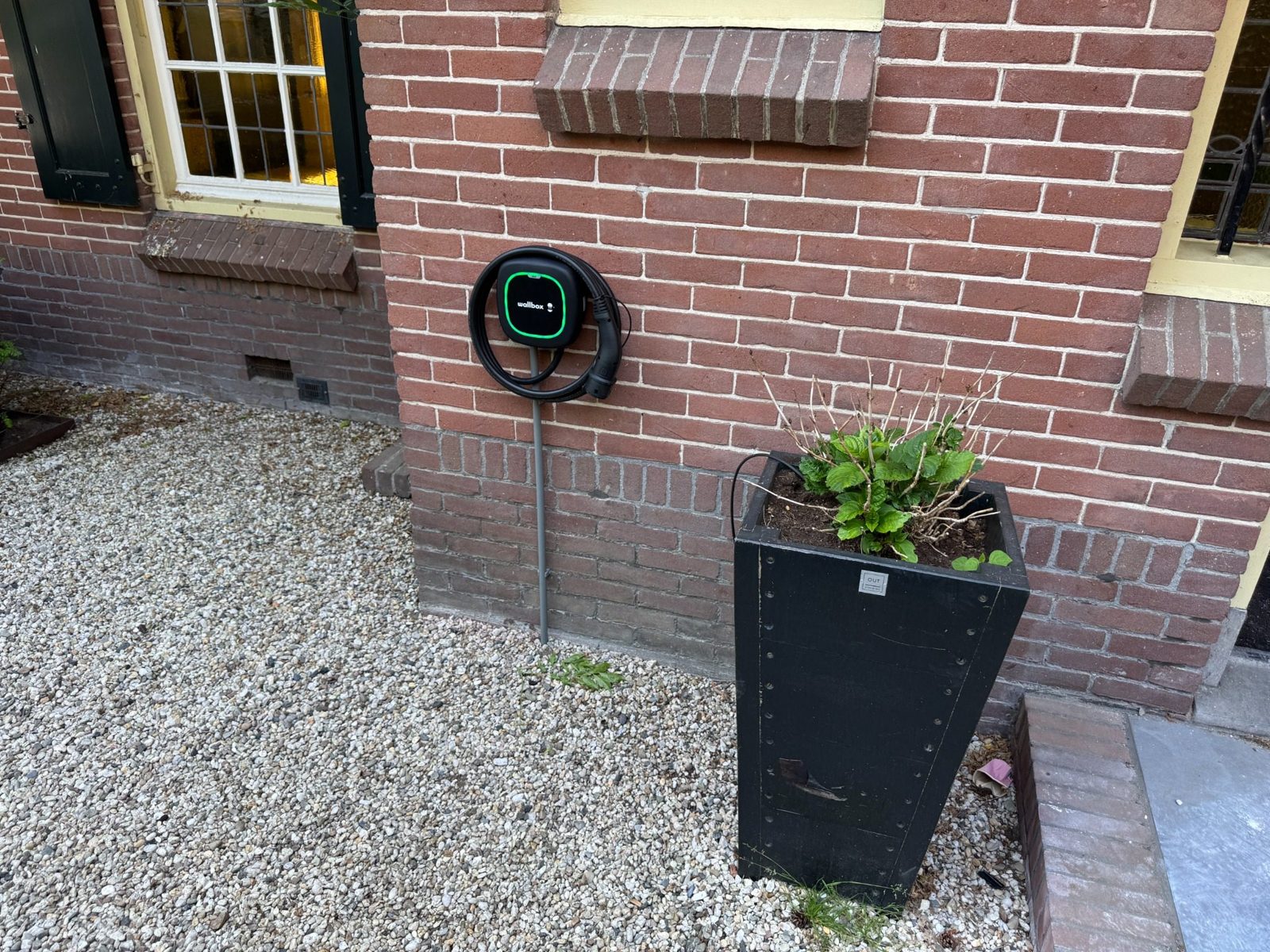
- 10+ years of experience as an electrician
- Qualified and VCA-certified
- Pay after completion
Peace of mind with Kalteren Electrics
Clear advice, clear agreements and an installation that meets all standards. No additional costs, no surprises afterwards.
request a quoteHaving an EV charger installed? This is what you can expect:
- The right charger for your car and your home
- A dedicated circuit with the correct earth leakage protection
- Load balancing so your main fuse does not trip
- A neat cable route and a convenient charging position
- Personal contact from request to completion
Which charger suits you?
I mainly install chargers from Zaptec and Wallbox: reliable, easy to control with an app and with built-in DC leakage detection. Below are the four models I install most, and how they differ.
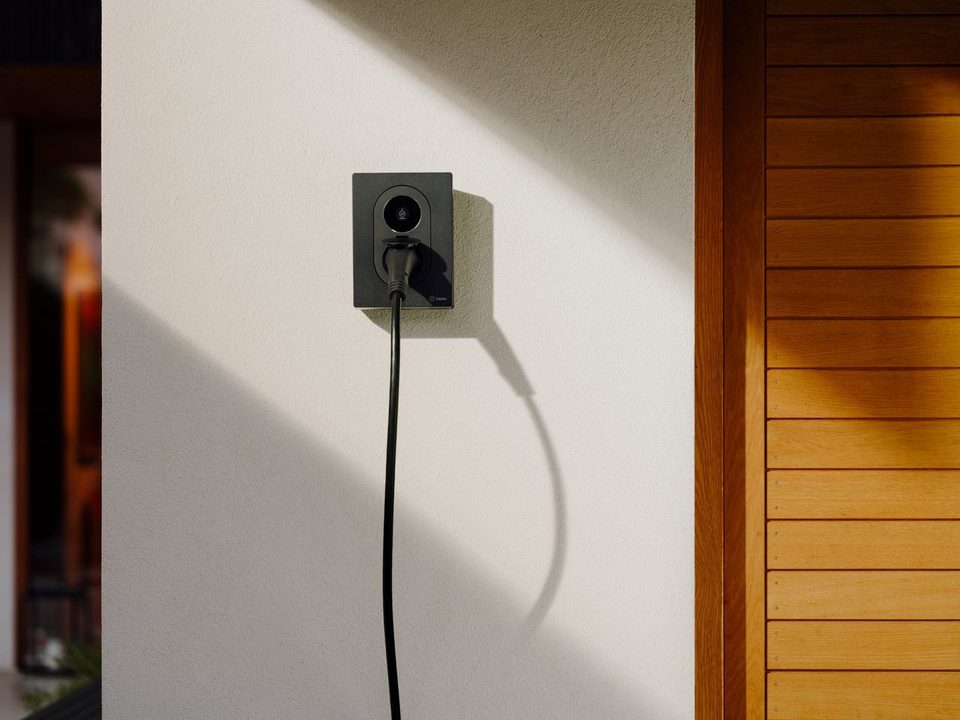
Zaptec
Zaptec Go 2
Home use, compact and complete
- MID meter in the charger: suitable for ERE certificates (payment per charged kWh)
- 4G, Wi-Fi and Bluetooth, with display
- Type 2 socket, you use your own charging cable
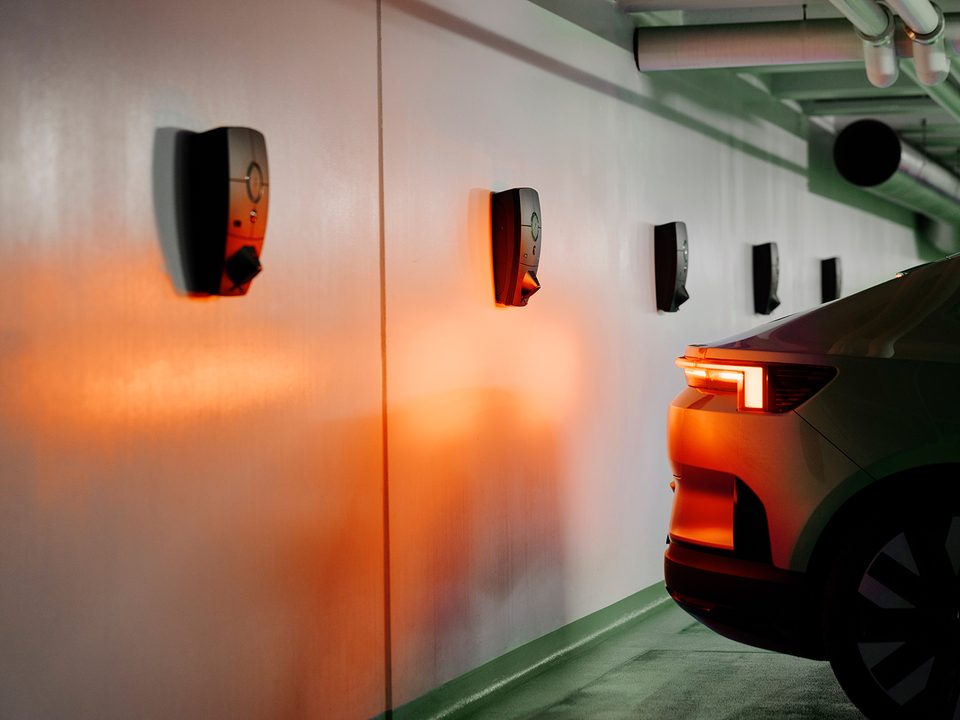
Zaptec
Zaptec Pro
Business, owners’ association or multiple chargers
- Smartly shares the power across multiple chargers
- MID meter in the charger: suitable for ERE certificates
- 4G, Wi-Fi and powerline
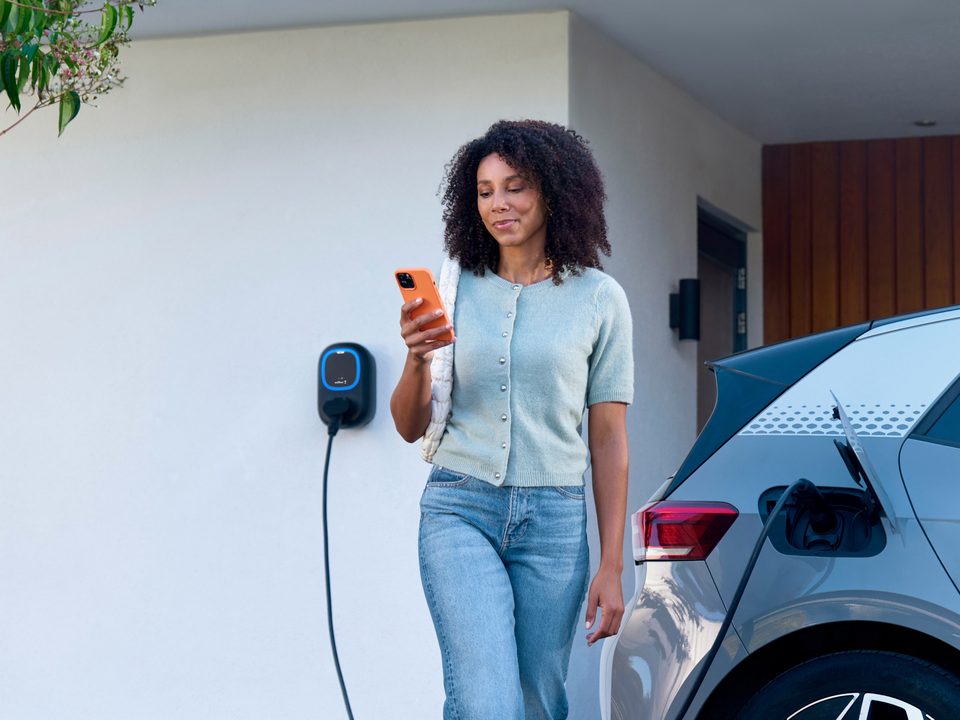
Wallbox
Wallbox Pulsar Max
Home use, simple and affordable
- Fixed cable (5 m) or Type 2 socket
- Wi-Fi, Bluetooth and Ethernet, controlled via the app
- Solar charging with an extra energy meter
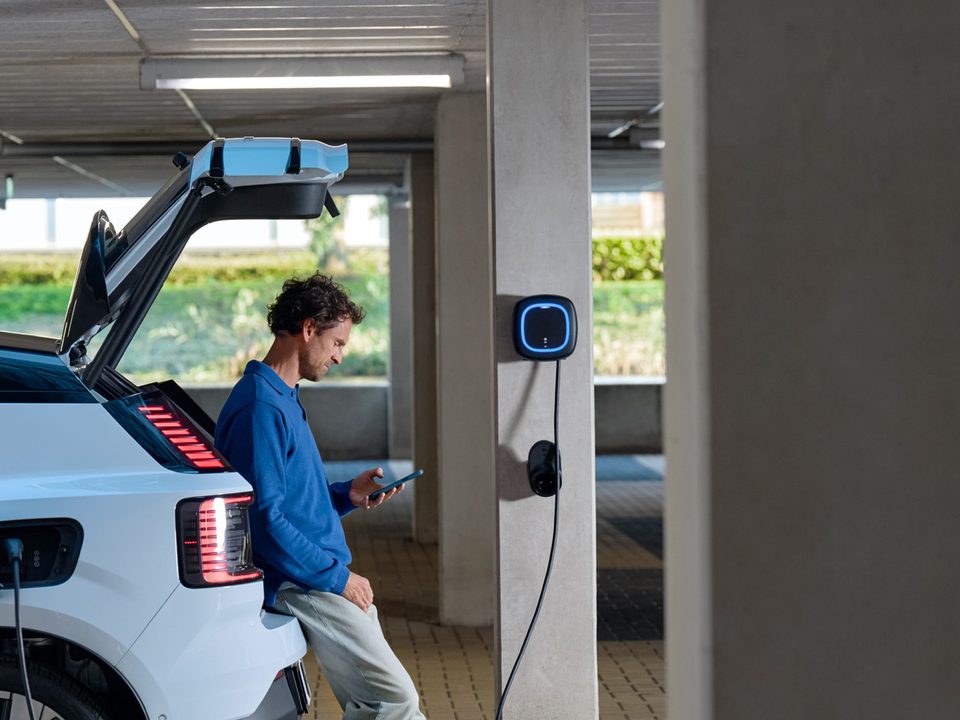
Wallbox
Wallbox Pulsar Pro
Home and business, always online
- 4G and Wi-Fi, charging card (RFID) possible
- Fixed cable or Type 2 socket
- Dynamic load balancing with an extra energy meter
| Zaptec Go 2 | Zaptec Pro | Wallbox Pulsar Max | Wallbox Pulsar Pro | |
|---|---|---|---|---|
| Suitable for | Home | Business, multiple chargers | Home | Home and business |
| Charging power | 7.4 / 22 kW | 7.4 / 22 kW | 7.4 / 11 / 22 kW | 7.4 / 11 / 22 kW |
| Car connection | Type 2 socket | Type 2 socket | Fixed cable (5 m) or Type 2 socket | Fixed cable (5 or 7 m) or Type 2 socket |
| DC leakage detection (6 mA) | Yes | Yes | Yes | Yes |
| Suitable for ERE certificates (MID meter in the charger) | Yes | Yes | No | No |
| Connectivity | 4G, Wi-Fi, Bluetooth | 4G, Wi-Fi, powerline | Wi-Fi, Bluetooth, Ethernet | 4G, Wi-Fi, Bluetooth, Ethernet |
| Load balancing | With Zaptec Sense | Yes, also between chargers | With energy meter | With energy meter |
| Charging card (RFID) | Yes | Yes | No | Yes |
| Charge management link (OCPP) | Yes | Yes | Yes | Yes |
Based on the manufacturers’ datasheets (2025). Versions differ per model; I confirm the specifications in the quote.
Not sure? For most homes the Zaptec Go 2 or the Wallbox Pulsar Max is a fine choice. Want ERE certificates for your charging? Then choose a Zaptec: the MID meter is inside the charger. For a business or owners’ association with multiple charging points, the Zaptec Pro is the logical choice.
ask for adviceWhy Kalteren Electrics?

5-year warranty on the installation after completion
Premium brands only, for maximum safety and quality
5 stars on Google and a 10 on Trustoo
Is your fuse box ready for an EV charger?
An EV charger needs its own circuit and the right earth leakage protection. In many homes there is no space left in the fuse box, or the installation is simply outdated.
In that case I extend or replace the fuse box in the same visit, so your charger and the rest of your home are safely protected. See my fuse box prices.
Have solar panels? A home battery can help you charge your car with more of your own energy.
request a quote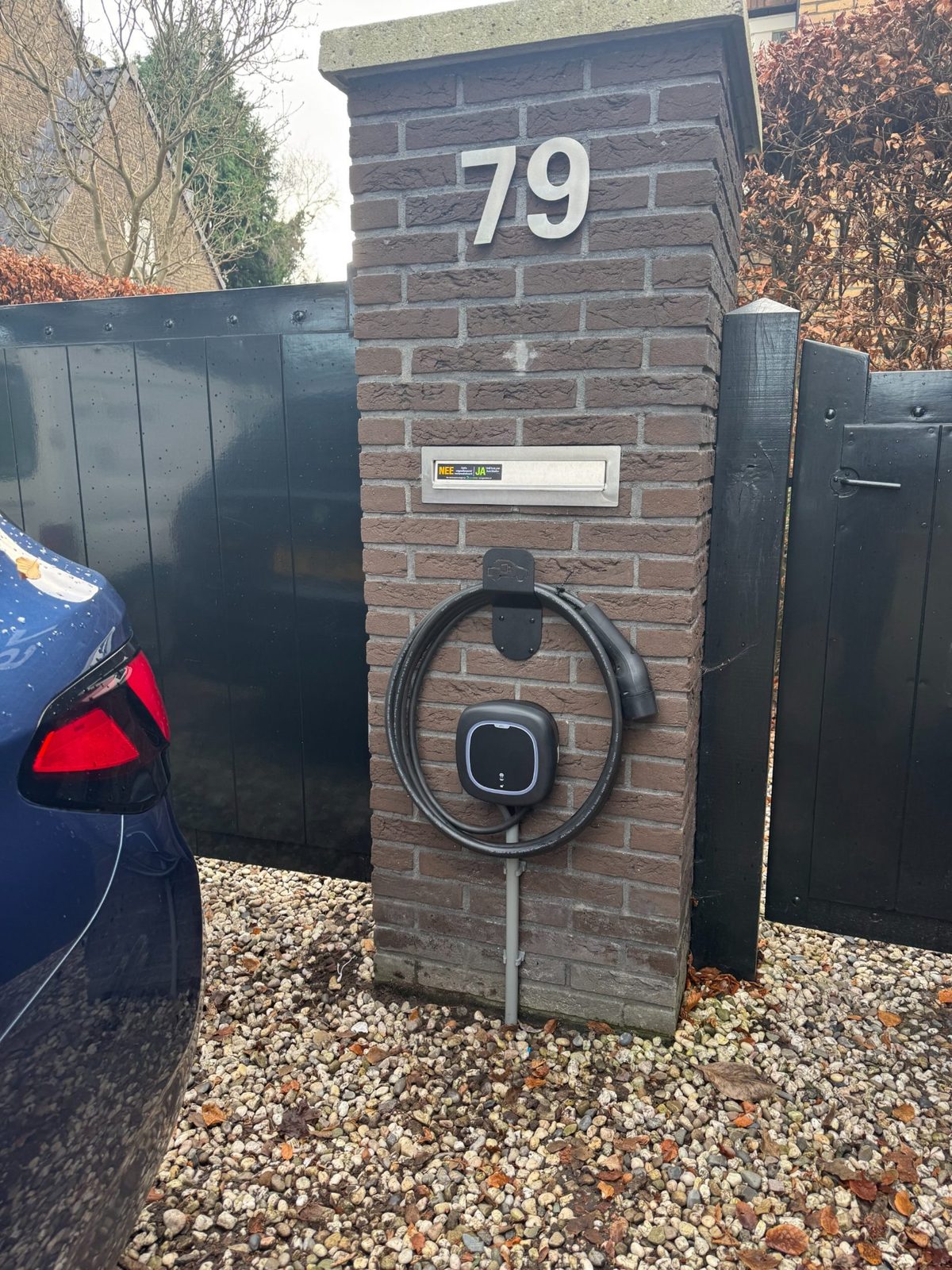
Frequently Asked Questions
Frequently asked questions about installing an EV charger.
Is your question not listed? Feel free to get in touch via the form or call me directly.
request a quoteShould I choose single-phase or three-phase charging?
On a single-phase connection you charge at up to 3.7 kW (16 A) or 7.4 kW (32 A), on three-phase at 11 or 22 kW. For daily use single-phase is often enough. What makes sense depends on your car, your driving and your connection; I am happy to advise you.
Does my fuse box need work for an EV charger?
The charger gets its own circuit in the fuse box. If there is no space left or the fuse box is outdated, it needs an extension or replacement. See my fuse box prices for the costs.
Which earth leakage protection does an EV charger need?
All four chargers on this page have built-in DC leakage detection (6 mA). In that case a type A residual current device or RCBO in the fuse box is sufficient. Without that detection, type B is required.
What is load balancing?
The charger measures how much power the rest of your home uses and charges more slowly when needed, so your main fuse does not trip while the oven and washing machine are on.
What is a MID meter and why does it matter for ERE certificates?
In the Netherlands you can have ERE certificates (emission reduction units) registered through a registration service for electricity you charge at home, and receive a payment per charged kWh. This requires a MID-certified meter inside the charger itself; a separate meter in the meter cupboard does not count. The Zaptec Go 2 and Zaptec Pro meet this requirement, the Wallbox Pulsar Max and Pulsar Pro do not.
How does the process work?
Send your request via the form, ideally with photos of your fuse box and the spot for the charger. I advise you and send a quote, then install and test the charger and show you how it works. You pay after completion, by invoice.